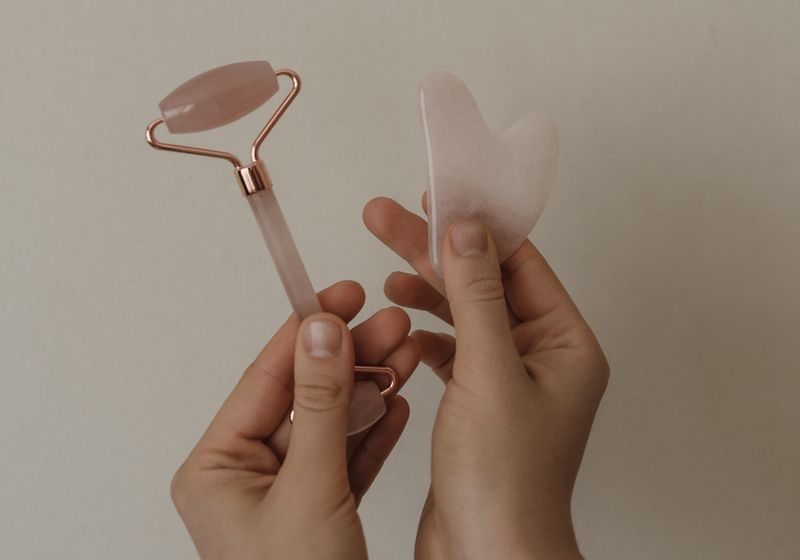
A weekly self-care planner. The practice itself is small: five small rituals scheduled into a week — one bath, one scrub, one mask, two long evenings. That is the whole description.
What it asks of you is patience, and what it asks of a practitioner is the same. The frequent mistake is the daily ten-step plan that collapses by Wednesday — the week is the right unit, not the day. I work in a single quiet room with a north-facing window most days; a weekly self-care planner is one of the practices that has compounded for me through years of repeating it carefully. Five minutes on sunday to plan, then the small rituals scattered through the seven days.
What it does
What the practice does, in the body of someone who keeps to it, is small. Self-care that actually happens because it is on the page, not in the head.
That is the whole effect. Not transformation. Not the language of brochures. A small reliable change in how the body holds itself, and how it answers what is asked.

How
The frame: five minutes on Sunday to plan, then the small rituals scattered through the seven days. The setup: a paper calendar or simple planner, a pen, and honesty about what fits. The room: quiet.
Settling, then the practice, then a quiet after. The most frequent mistake is to skip the after. The practice gives back most of what it has to give in the five minutes after, not in the practice itself.
What goes wrong
The mistake: the daily ten-step plan that collapses by Wednesday — the week is the right unit, not the day.
Most of what has been written about the practice is the loud version. The work is the quiet one.
Self-care that actually happens because it is on the page, not in the head. That is the practice.
Give it a month before you decide. Most of the practice's work happens in weeks three and four. The first two are settling.