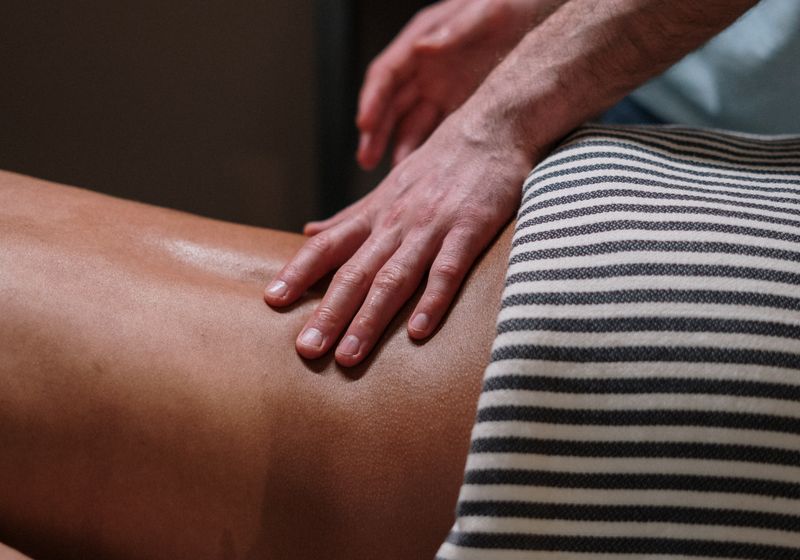
The post-shower lotion window. The practice itself is small: lotion applied to skin that is still slightly damp from the shower; the thin film of water sealed in by the lotion. That is the whole description.
What it asks of you is patience, and what it asks of a practitioner is the same. The frequent mistake is drying thoroughly, walking to the bedroom, dressing, then remembering — by which point the window is closed. I work in a single quiet room with a north-facing window most days; the post-shower lotion window is one of the practices that has compounded for me through years of repeating it carefully. Thirty seconds, within sixty seconds of stepping out of the shower; two-minute wait before dressing.
What it does
What the practice does, in the body of someone who keeps to it, is small. Skin that stops feeling papery within four or five days; the elbows stop needing constant attention.
That is the whole effect. Not transformation. Not the language of brochures. A small reliable change in how the body holds itself, and how it answers what is asked.

How
The frame: thirty seconds, within sixty seconds of stepping out of the shower; two-minute wait before dressing. The setup: a simple unscented lotion or body oil, a clean towel for patting, not rubbing, and patience to wait the two minutes. The room: quiet.
Settling, then the practice, then a quiet after. The most frequent mistake is to skip the after. The practice gives back most of what it has to give in the five minutes after, not in the practice itself.
What goes wrong
The mistake: drying thoroughly, walking to the bedroom, dressing, then remembering — by which point the window is closed.
Most of what has been written about the practice is the loud version. The work is the quiet one.
Skin that stops feeling papery within four or five days; the elbows stop needing constant attention. That is the practice.
Give it a month before you decide. Most of the practice's work happens in weeks three and four. The first two are settling.