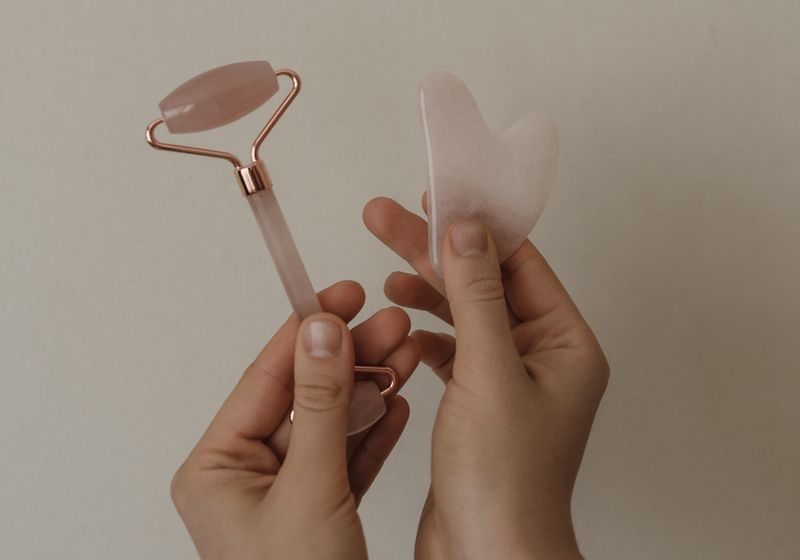
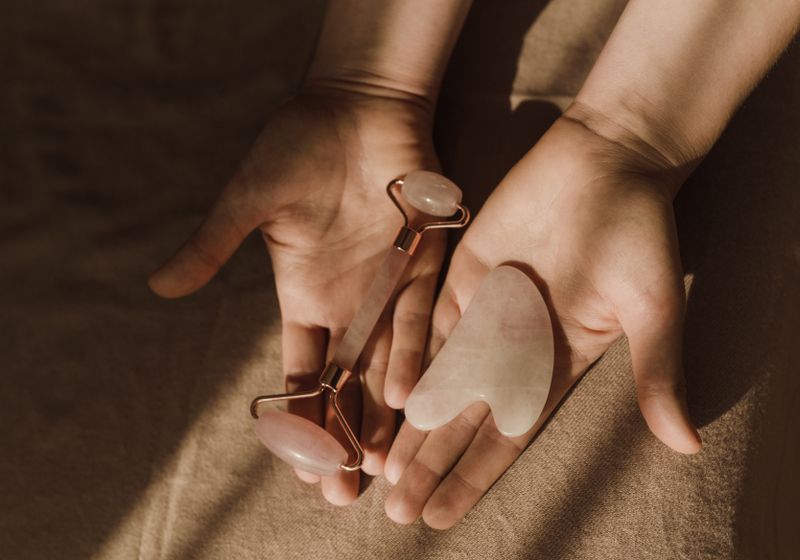
Gua sha facial. The practice itself is small: a small stone tool gliding upward and outward on oiled skin, moving lymph toward the jaw, ear, and collarbone. That is the whole description.
What it asks of you is patience, and what it asks of a practitioner is the same. The frequent mistake is pressing too hard; if the skin is dragging with the stone, the pressure is wrong. I work in a single quiet room with a north-facing window most days; gua sha facial is one of the practices that has compounded for me through years of repeating it carefully. Three to five minutes in the morning, three or four times a week.
What it does
What the practice does, in the body of someone who keeps to it, is small. Less puffiness in the morning within two weeks; a more responsive face within two months.
That is the whole effect. Not transformation. Not the language of brochures. A small reliable change in how the body holds itself, and how it answers what is asked.
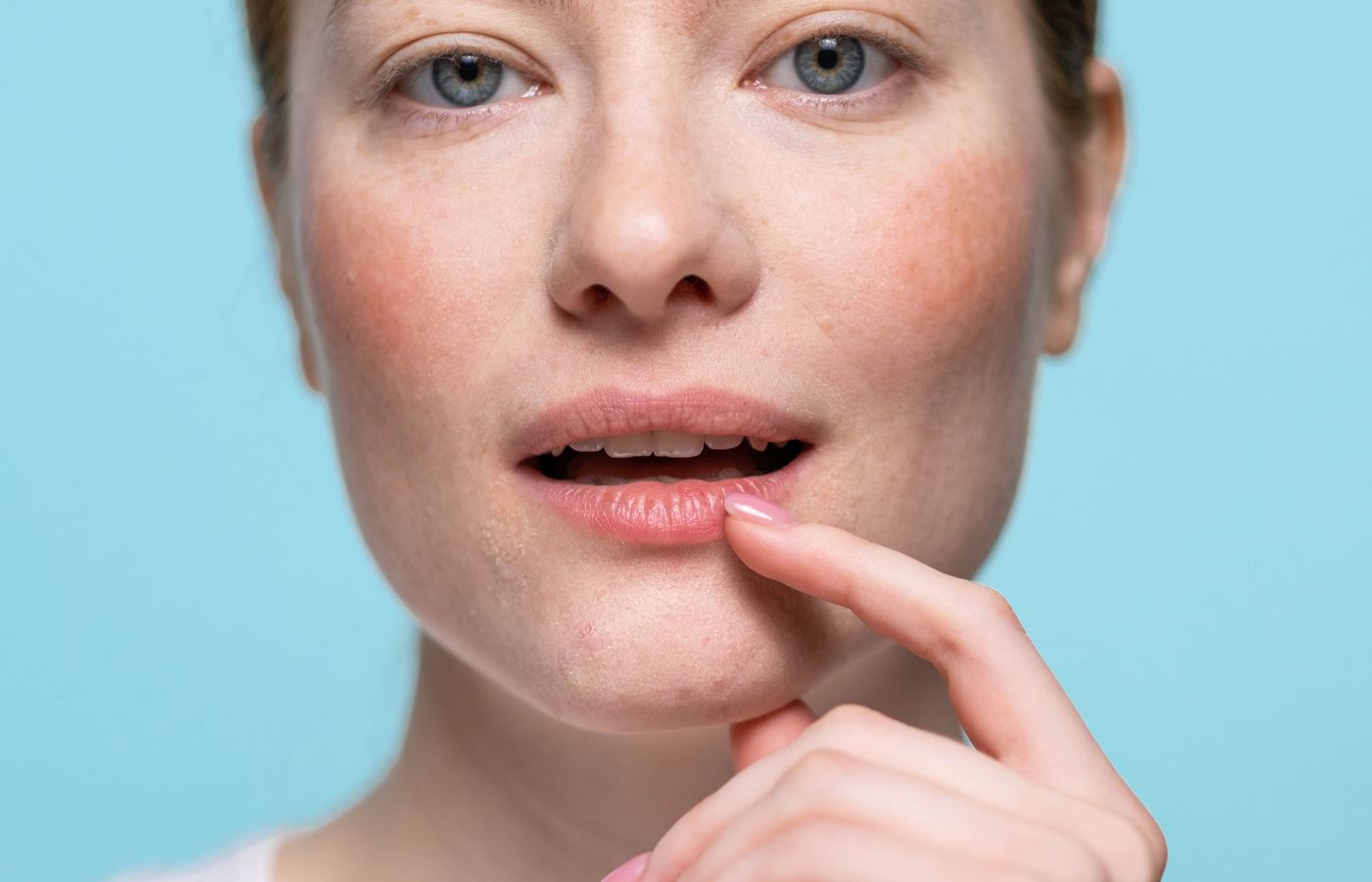
How
The frame: three to five minutes in the morning, three or four times a week. The setup: gua sha stone, a few drops of light facial oil, and clean hands. The room: quiet.
Settling, then the practice, then a quiet after. The most frequent mistake is to skip the after. The practice gives back most of what it has to give in the five minutes after, not in the practice itself.
What goes wrong
The mistake: pressing too hard; if the skin is dragging with the stone, the pressure is wrong.
Most of what has been written about the practice is the loud version. The work is the quiet one.
Less puffiness in the morning within two weeks; a more responsive face within two months. That is the practice.
Give it a month before you decide. Most of the practice's work happens in weeks three and four. The first two are settling.