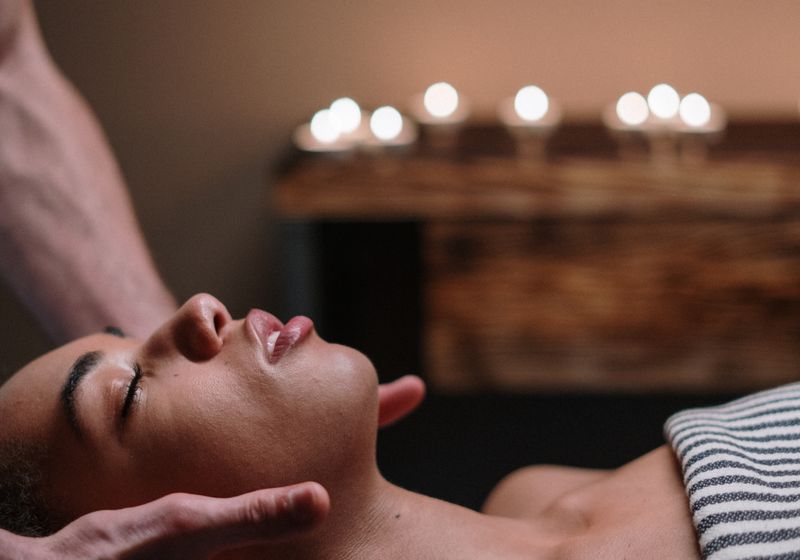
Clay mud masks. The practice itself is small: a layer of cosmetic clay applied to the face, left to sit for twenty minutes, rinsed warm. That is the whole description.
What it asks of you is patience, and what it asks of a practitioner is the same. The frequent mistake is letting the mask dry to cracking — the skin underneath ends up tighter and more reactive, not cleaner. I work in a single quiet room with a north-facing window most days; clay mud masks is one of the practices that has compounded for me through years of repeating it carefully. Fifteen to twenty minutes, while the clay is still damp.
What it does
What the practice does, in the body of someone who keeps to it, is small. A small weekly reset for the skin — surface oil pulled gently, the next morning's face fresher.
That is the whole effect. Not transformation. Not the language of brochures. A small reliable change in how the body holds itself, and how it answers what is asked.

How
The frame: fifteen to twenty minutes, while the clay is still damp. The setup: cosmetic green clay or kaolin, a small bowl and brush, and warm water and a soft cloth. The room: quiet.
Settling, then the practice, then a quiet after. The most frequent mistake is to skip the after. The practice gives back most of what it has to give in the five minutes after, not in the practice itself.
What goes wrong
The mistake: letting the mask dry to cracking — the skin underneath ends up tighter and more reactive, not cleaner.
Most of what has been written about the practice is the loud version. The work is the quiet one.
A small weekly reset for the skin — surface oil pulled gently, the next morning's face fresher. That is the practice.
Give it a month before you decide. Most of the practice's work happens in weeks three and four. The first two are settling.